

She ShredsWinner Announcement
Buy and support ‘Make in India’ products with us
  1. /
  2. /
  3. Effects & Pedals
Effects & Pedals

Guitar Pedals – Shape Your Sound

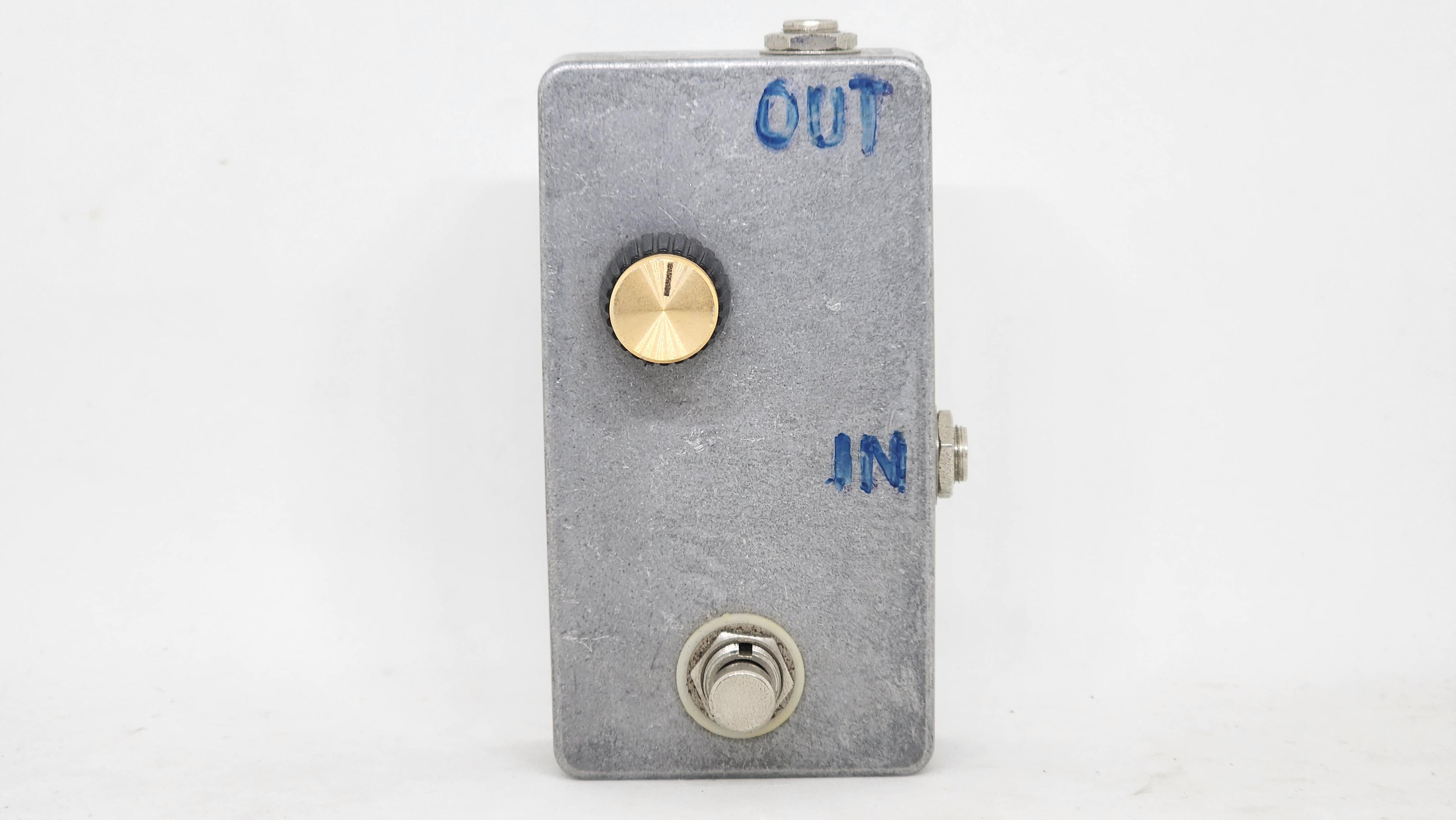
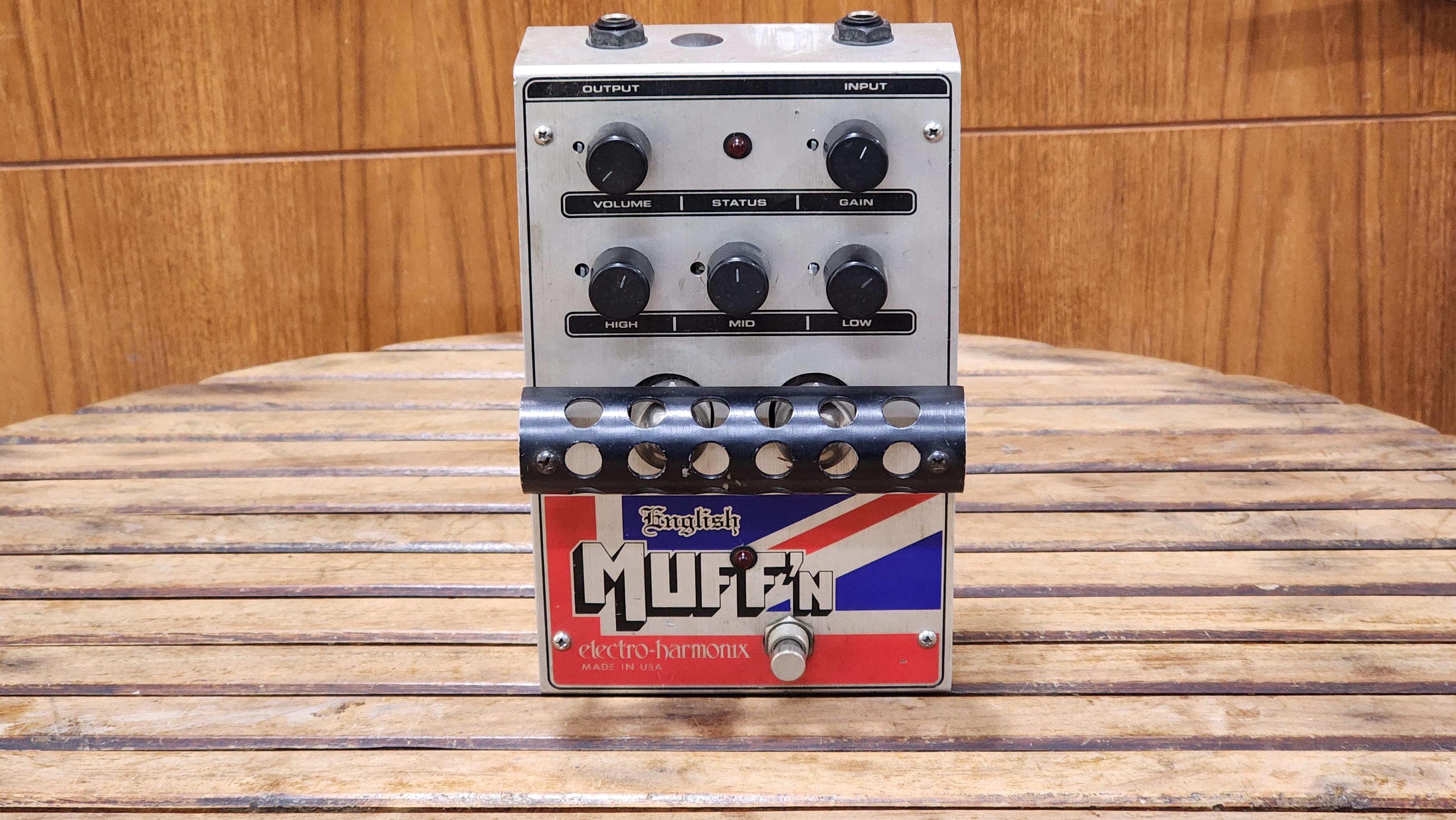
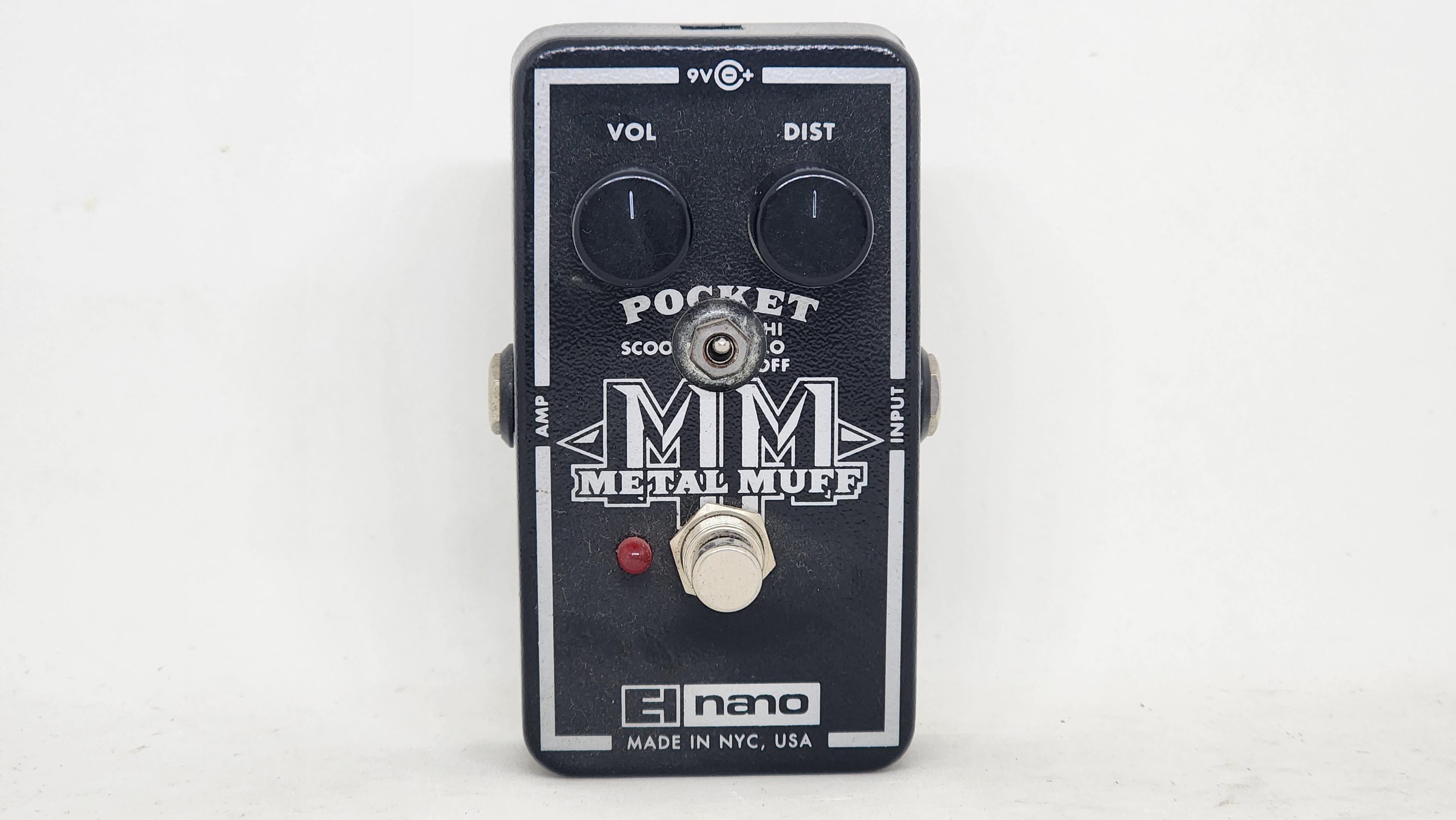
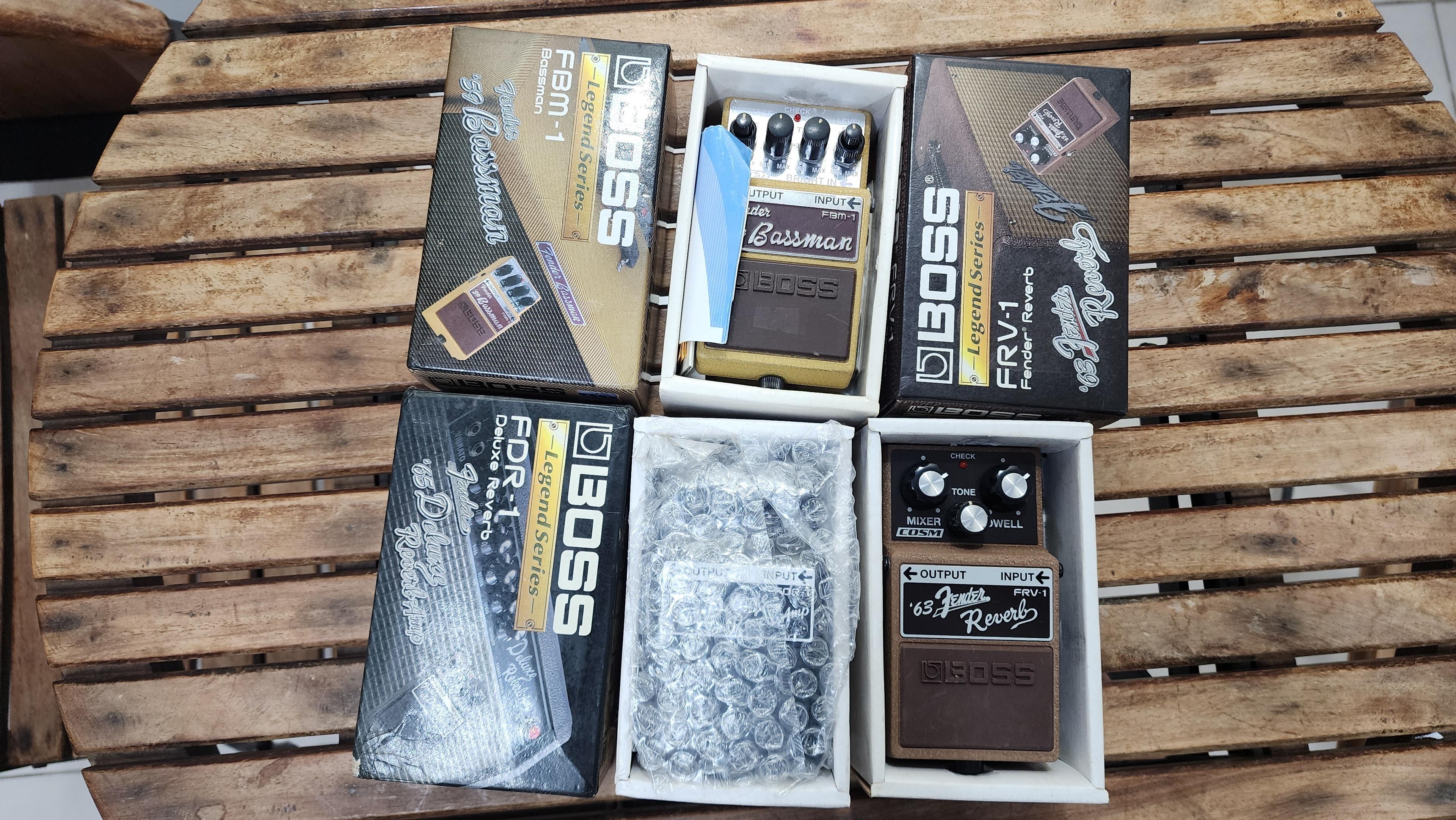
Guitar pedals help shape your signature tone by adding effects such as distortion, delay, reverb, modulation, and more. Whether you're a beginner building your first pedalboard or a professional performer looking for premium effects, Gearx offers a wide range of guitar pedals for every style and setup.

Shop All Guitar Pedals

Browse a complete collection of guitar pedals, including overdrive, distortion, delay, reverb, modulation, compressor, looper, tuner, and multi-effects pedals for electric, acoustic, and bass guitars.

Types of Guitar Pedals

Different guitar pedals serve different musical purposes. Choose from overdrive, distortion, fuzz, delay, reverb, chorus, flanger, phaser, wah, compressor, EQ, octave, looper, tuner, and multi-effects pedals to create your ideal sound.

Best Guitar Pedals by Category

Find guitar pedals for beginners, home studios, live performers, and professional musicians. Whether you need a single stompbox or an all-in-one multi-effects processor, there's an option to suit every playing style and budget.

How to Choose Guitar Pedals

When selecting guitar pedals, consider the type of music you play, the effects you need, pedal compatibility, ease of use, power options, and whether you're building a compact or advanced pedalboard.

Guitar Effects Pedals for Every Style

From blues, rock, metal, jazz, worship, indie, country, and ambient music, guitar effects pedals help you achieve the perfect tone and enhance your performance.

Top Brands Available at Gearx

Shop guitar pedals from trusted brands known for exceptional sound quality, durability, and innovative effects. Gearx offers reliable options for beginners, enthusiasts, and professional guitarists alike.

Why Shop Guitar Pedals at Gearx

Gearx offers genuine guitar pedals from leading brands at competitive prices. Enjoy expert assistance, secure online shopping, fast delivery across India, and a carefully curated selection to help you find the perfect effects pedal for your setup.

Frequently Asked Questions - Effects & Pedals

What is a guitar pedal and how does it work?

A guitar pedal is an electronic effects device that sits between your guitar and amplifier in the signal chain. When activated by a footswitch, it modifies the audio signal to produce effects like distortion, reverb, or delay, allowing real-time tone control during performance without using your hands.

Which guitar pedal should a beginner buy first?

Beginners benefit most from a tuner pedal (essential for staying in tune) or a versatile overdrive pedal for tonal enhancement. A multi-effects unit is also a great first purchase, offering many sounds to explore before committing to individual stompboxes.

What is the difference between distortion, overdrive, and fuzz?

Overdrive produces mild, warm clipping similar to a tube amp breaking up. Distortion creates harder clipping for heavier sounds with more gain. Fuzz is the most extreme, producing a thick, ragged, and harmonically rich saturation. Each suits different genres and playing styles.

Can I use guitar pedals with an acoustic guitar?

Yes, though results vary. Acoustic guitars with pickup systems can use certain pedals effectively - reverb, chorus, and delay work well. However, heavy gain pedals like distortion are generally not suited to acoustic instruments and can produce unpleasant tones.

How many guitar pedals do I need?

There is no fixed number. Some guitarists use just one or two pedals; others build boards with 10 or more. Start with one or two effects that serve your primary tone needs, then expand gradually based on your musical requirements and budget.

What order should guitar pedals be in on my pedalboard?

A standard signal chain order is: Tuner → Dynamics (compressor) → Gain (overdrive/distortion) → Modulation (chorus/phaser) → Time (delay/reverb). This is a guideline, not a rule - experimenting with pedal order is part of developing your personal sound.

Do I need an amplifier to use guitar pedals?

True bypass routes the guitar signal directly from input to output when the pedal is disengaged, helping preserve the original tone without additional circuitry affecting the signal.

What power supply do guitar pedals use?

Most guitar pedals use a 9V DC centre-negative power supply (tip negative, sleeve positive). Some boutique and digital pedals require 12V or 18V. Always check your pedal's voltage requirement before connecting to any power supply to avoid damage.

Are expensive guitar pedals always better?

Not necessarily. Many affordable pedals offer excellent quality for their price. Expensive boutique pedals often provide superior craftsmanship, unique circuit designs, or boutique tonal characteristics. Your budget should match your performance or recording needs - not just perceived prestige.

What is a multi-effects pedal?

A multi-effects pedal combines multiple guitar effects (distortion, delay, reverb, chorus, etc.) in a single device. They are cost-effective, space-saving, and ideal for beginners or players who need quick tonal versatility. Brands like Zoom, Boss, and Line 6 make popular multi-effects units.